1. HOME
  2. IN JEOPARDY
  3. FIRE
  4. OPENING A DIALOGUE

Opening a Dialogue

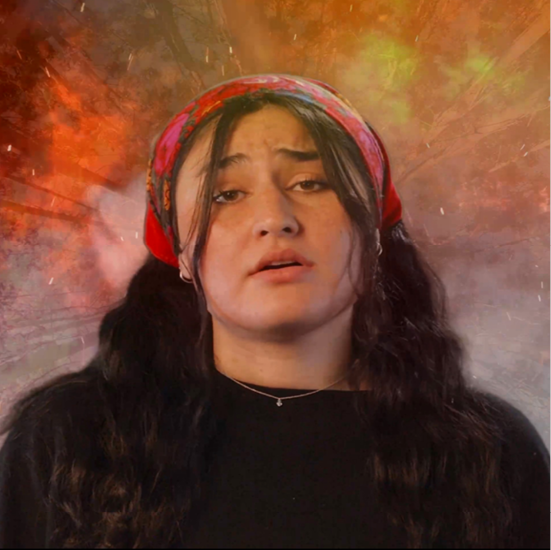
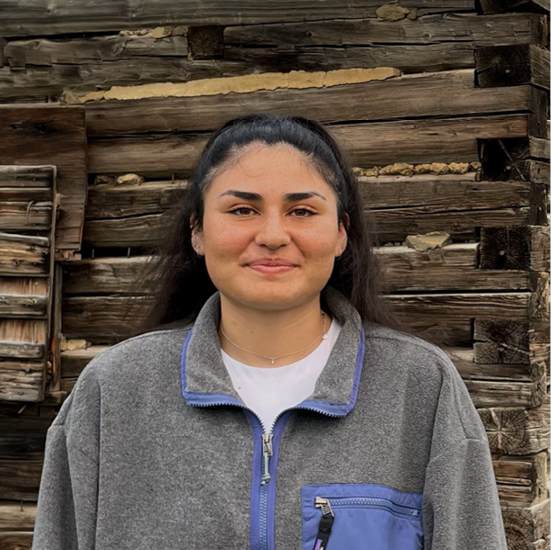
An Interview with Shaznay Waugh, Fort Simpson, NWT

Q. As a child, did you spend time on the land?

My childhood was spent running around in the bush, learning how to cut up moose meat to make dry meat. We were around eight at the time.

We were trusted by our elders that we would listen and pay attention and be respectful enough to hold a knife and practise. There was a lot of freedom and a sense of accountability and community because there was so much trust.

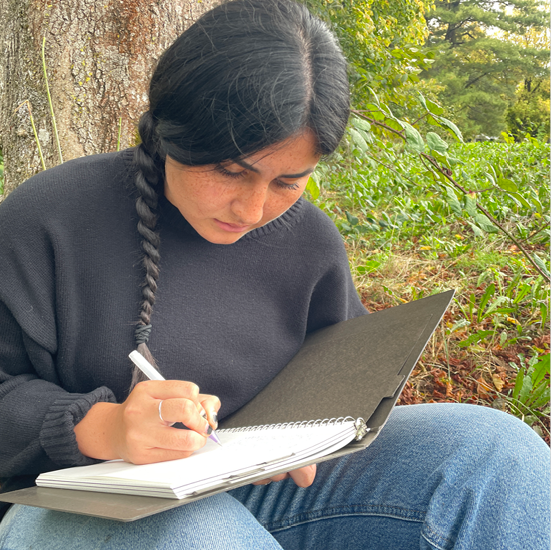
Photo: Shaznay Waugh

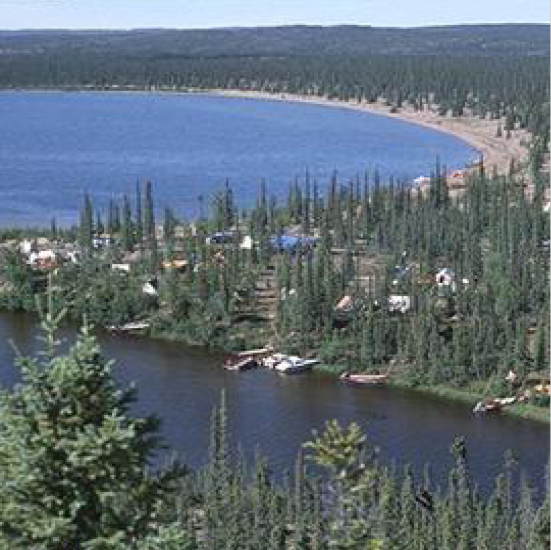
I also went to Lutselke to visit with that side of my family. My grandparents have a camp on the Great Slave Lake. We'd spend a lot of time out there. My grandparents would teach me how to pluck ducks, how to hunt, and with all of these practices I was taught that the land offers us so much abundance. It's a gift to receive that and at the same time it is a responsibility.

Many of our practices out on the land began with offering something from ourselves to demonstrate that we recognize all that is being offered to us. We are grateful to be able to live that way.

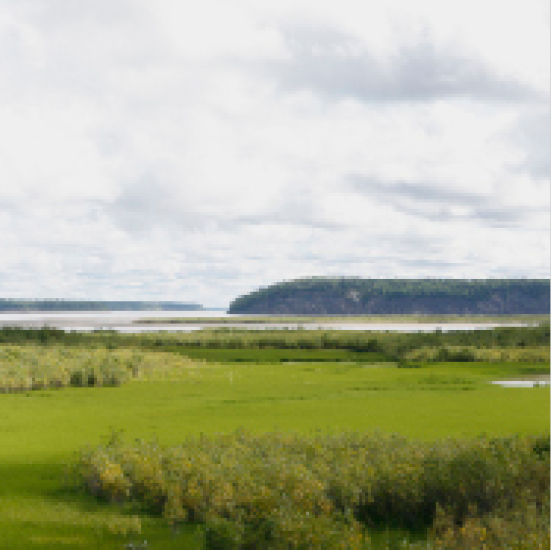
Photo: NWT Archives

Q. When did you first feel the land was under threat from climate change?

In the summer we have extreme heat, in the winter we have extreme cold, but the land has a way of balancing itself. The first time that I realized that something really devastating was happening, I was about 14. My brother and I played soccer all the time out in the field.

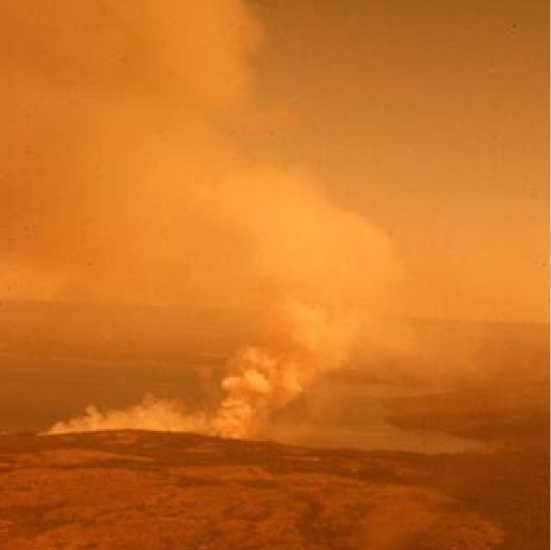
One day when we went out, the sky was bright orange and we couldn't see the sun. It was thick with smoke. We were trying to practise, run in the smoke, and it was so exhausting. We thought it would pass.

Photo: NWT Archives

Q. Tell us about the fires of 2023.

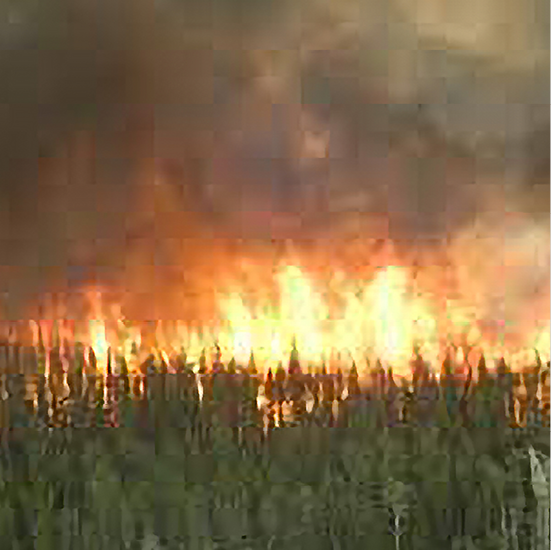
My community was one of the few not ordered to evacuate, so we became a place for evacuees to find safety. I would walk down the street inhaling the thick smoke, and feeling a heavy sense of grief for our land.

As a poet, the stories I write come from the land - the fires threaten how we build and share stories.

D'Arcy Moses, a Dene fashion designer, describes how the fires impacted the stories he shares through his art. Working with moosehide and traditional prints, his art also depends on having a relationship with the land.

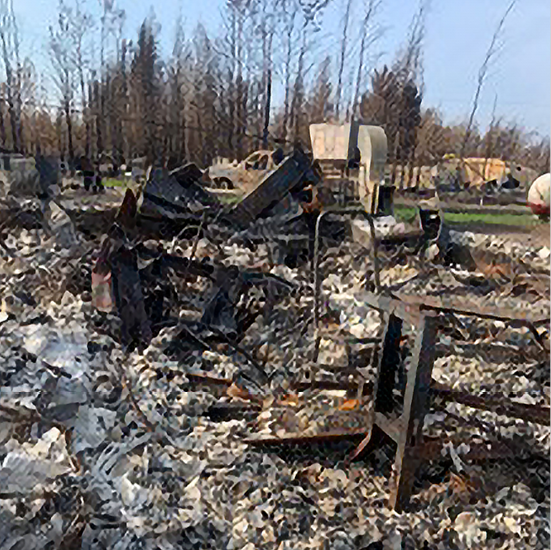
As artists and Dene peoples, the land is the source of our stories. The fires do not only burn material work, but spiritual connection and practice.

Photo: D'Arcy Moses

Q. How did the evacuations affect you?

There are challenges with having to uproot yourself suddenly and go to another community. But it's not just leaving a place. This is our home. This has been our home for centuries. The relationships that we've built with the land are so intimate and so ancestral and intergenerational.

This is where my culture stems from. This is where my language comes from. I hear stories from elders. This is so intimate to feel like that's being threatened. Every time that I would hear another community was evacuating, I would get anxious that it would be my community next.

Photo: Linda MacCannell

I was 21 at the time and I was thinking about my own grandchildren and the grief that I have for future generations. I'm so lucky to have been able to experience Denendeh as a child in a way that was healthy. You could see the abundance, you could see that the land was still managing to balance itself.

All I could feel was the grief, the possibility of my grandchildren not knowing the land as I've been so privileged to know the land. It was a time of anxiety around the unexpected. There was a deep frustration within me that something needs to change.

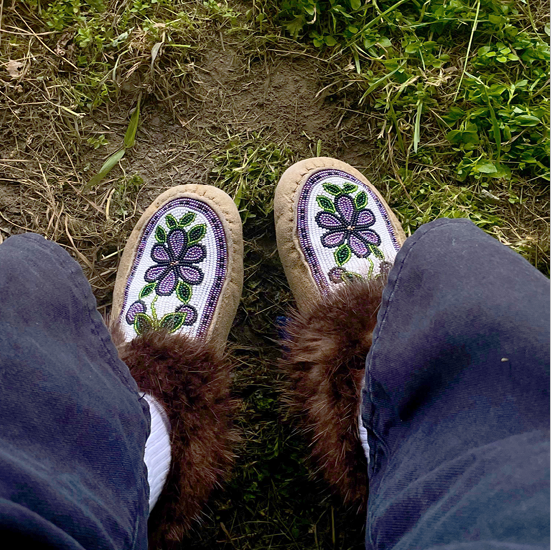
Photo: Shaznay Waugh

Q. What can be done?

We need to defend the land, we need to protect it. With this focus on the climate crisis, I write my poetry on the land. I do my best to listen to the land while I'm writing, to try to interpret the teachings. It's an offering.

It's important to center on northern Indigenous voices and experiences. We've been silenced. It's important to find a way to honour the teachings that the land has offered me, honour the teachings my Elders have passed down. That connects those voices with people that might not have ever heard them.

Photo: Shaznay Waugh

Q. What is the link between north and south?

With the climate crisis, so much production and exploitation and extraction happens in the south. The north is predominantly facing the impacts the consequences of what's happening in the south. The way that I was raised, accountability is integral to building relationships.

If we're talking about building relationships between Indigenous and non-Indigenous peoples, and northern and southern communities, then there needs to be a conversation, there needs to be dialogue.

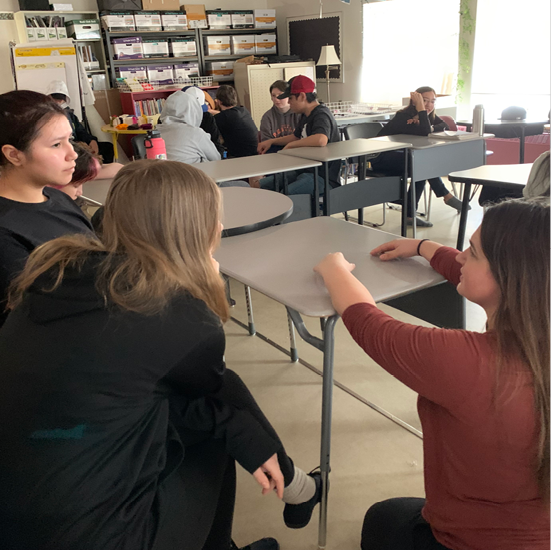
Photo: Drew Ann Wake

Q. What should southern Canadians do?

To repair these relationships, there needs to be accountability. Without hearing our stories, it's hard to understand where you might fit in. How do you hold yourself accountable if you are unaware of the impacts of your own life?

Click to view

Photo: Daniel Séguin