1. HOME
  2. LEGENDS
  3. ABANDONED WOMAN
  4. THE ABANDONED WOMAN

The Abandoned Woman

By Gene Jenks, East Three School Inuvik NT

Photo: Drew Ann Wake

Photo: Linda MacCannell
As an English teacher, I often use contemporary literary examples in my class.
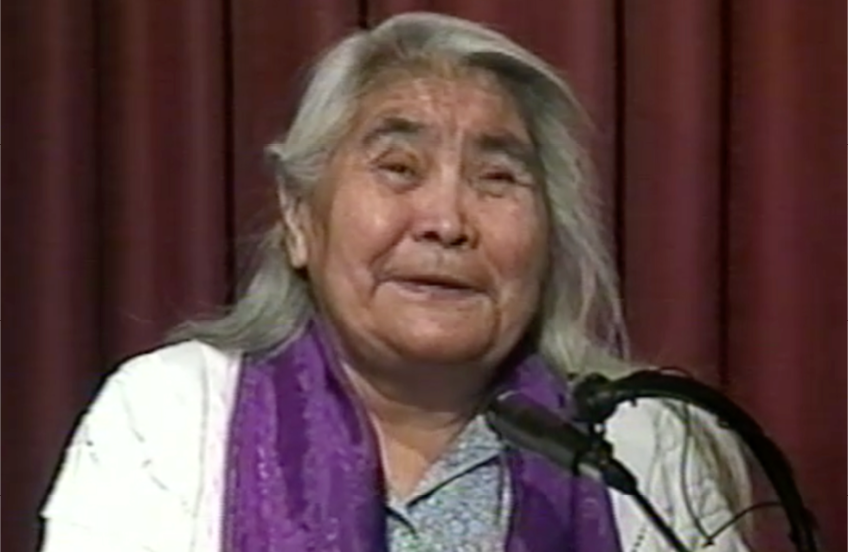
But is important for students to hear unique historical voices, like Elizabeth Colin.

Photo: Prince of Wales Northern Heritage Centre
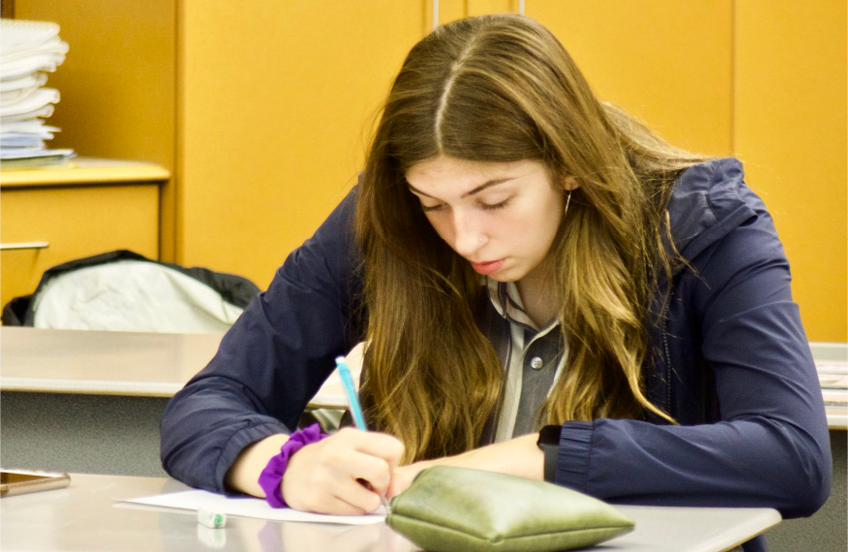
Gwich'in myths give us stories from a different generation, an unfamiliar voice.
The students engaged with Elizabeth Colin. And they were eager to work with her.

Photo: Drew Ann Wake

It surprised me how fast they were able to decipher the inner dynamics of the story.

Photo: Wikipedia

Often our students have difficulty understanding concepts from the south.
For example: What's grain elevator?

Photo: Peter Mather

That works both ways. Our students were able to grasp the concept of wilderness quickly.

Photo: Drew Ann Wake

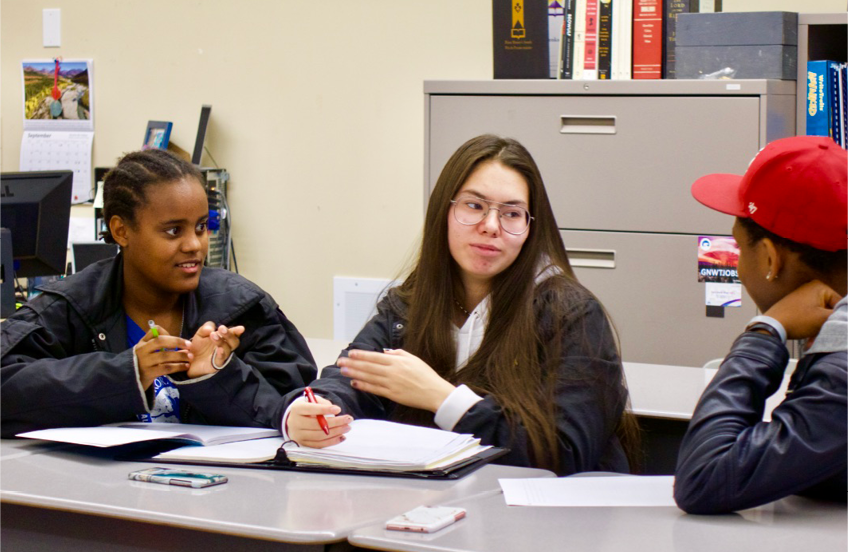
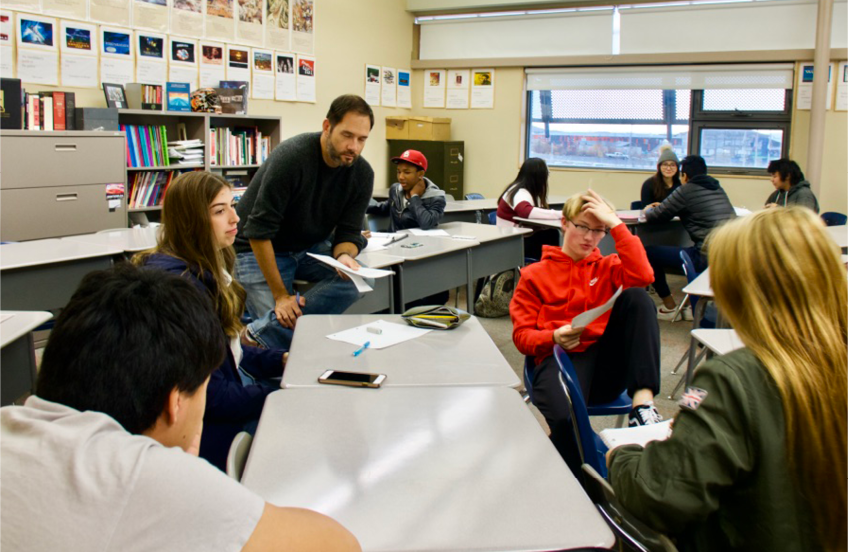
We broke the class into small groups so each student could participate -
and take ownership of the work.

Photo: Drew Ann Wake

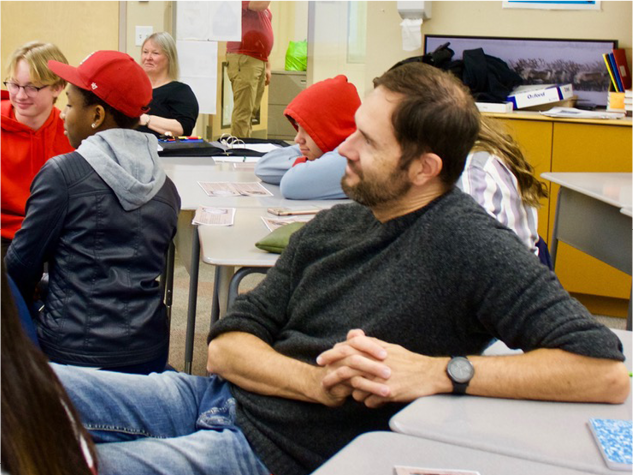
I walked from group to group and saw they were taking the discussions seriously.

Photo: Drew Ann Wake

Their written work shows that they understood and were able to get their ideas on paper.

Student:

What lessons did you learn from "The Abandoned Woman"?

"The lesson in this story is be careful of anger because some of the decisions you make when you are angry may not be the best. Also, showing kindness may give you a reward.

The story underlines the idea of equality and just how strong, capable and independent women really are. The Abandoned Woman is able to survive, and even flourish, in the absence of her husband. And then karma takes initiative when the men in the canoe come to help her.

Never underestimate people; always appreciate what they bring. The woman's husband left her because she complained, which made him think she wasn't useful. But in the end her diligence is what saved them from starving."

Student:

What lessons did you learn from "The Abandoned Woman"?

"I think these stories relate the idea that we all need to learn to be independent and take care of ourselves because we can't always rely on others to save us.

It is important to be aware of your surroundings. Even in tough or scary situations, we need to be brave in order to survive.

The moral of the story is that even when faced with the struggle of trying to survive completely on one's own, it is important to be resilient and innovative, rather than to dwell on the problems we face."